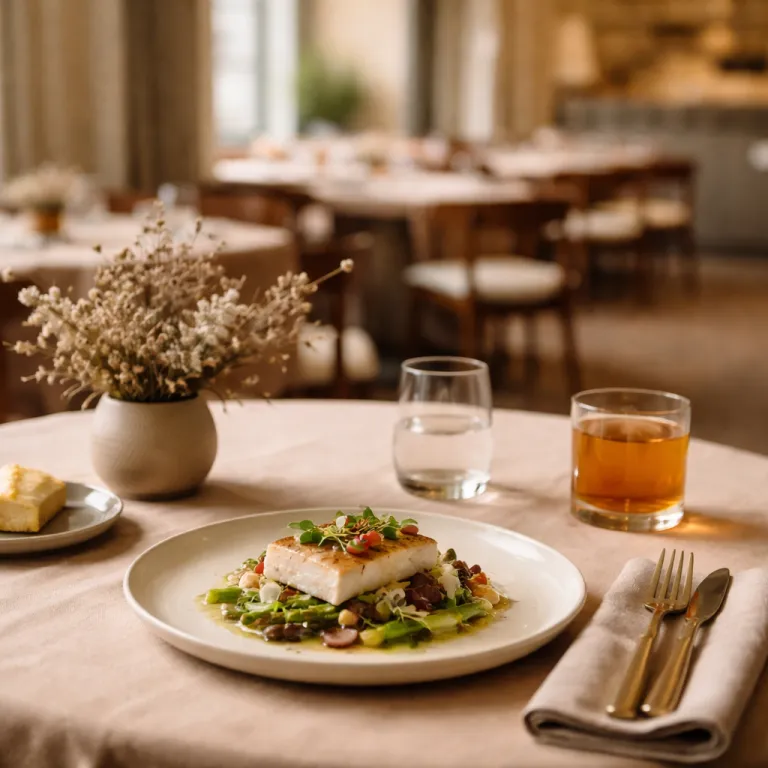
How Austin hotel restaurants became serious dining rooms
Austin hotel restaurants used to mean anonymous buffets and generic grills. Today the best in-house dining rooms compete directly with the city’s most ambitious independent Austin restaurants, and they often win that comparison for solo travelers who value precision and ease. In a city where people eat late after shows and early before the sun gets too high, serious hotel dining now shapes how guests plan each day.
The shift began when luxury Austin hotels stopped outsourcing every restaurant and bar and instead hired in-house executive chefs with a clear point of view. That decision turned the average hotel dining room into a stage for Texas produce, live-fire cooking and menus that feel rooted inside specific neighborhoods rather than in a corporate test kitchen. For travelers choosing a hotel Austin stay, the promise of being able to eat and drink exceptionally without leaving the property is now as important as the size of the room.
Look at The Peacock Mediterranean Grill at Austin Proper Hotel, where executive chef Jacob Weaver and his team use wood-fired cooking and Levantine flavors to anchor a full-day menu that actually reflects dining Austin habits. Breakfast leans bright and vegetable-forward for guests and locals who want to eat lightly before meetings, while dinner stretches into late night with mezze, grilled fish and a serious bar program that feels more like a standalone restaurant Austin regulars would cross town to visit. This is what modern hotel dining now means in practice: the property becomes a culinary address first and a place to sleep second.
Across downtown Austin, Cannon + Belle inside the Hilton shows how Texas-sourced ingredients can define a hotel restaurant identity. Here the chef builds plates around Hill Country vegetables, local beef and thoughtful brunch dishes that make sense for both hotel guests and office workers who drop in Mon–Fri for a quick but polished lunch. When travelers ask where to eat in a central hotel Austin property, this kind of grounded, ingredient-driven restaurant is what turns a convenient stay into a memorable visit.
The city’s independent scene has also pushed hotel restaurants to respect how Austinites actually eat and drink. Austin Taco Project, for example, leans into playful tacos and gaming, giving guests a way to eat, drink and socialize without the stiffness that sometimes haunts luxury hotels. For a solo explorer, being able to walk downstairs from an Austin hotel room into a lively restaurant where guests and locals mix at the bar can matter more than any rooftop pool.
Even rooftop concepts like La Piscina at the Proper understand that dining Austin style means honoring Tex-Mex roots while editing the menu for modern tastes. You sit by the pool in the late afternoon sun, order ceviche and fajitas, and watch as both hotel guests and locals treat the space as a pre-show stop before a night in downtown Austin. That blend of relaxed Texas energy and polished service is exactly why hotel restaurants in Austin have become a reason to book specific properties, not just a fallback when you are too tired to leave the lobby.
Destination restaurants inside Austin hotels worth a detour
The most interesting Austin hotel restaurants now feel like fully fledged destinations, not lobby appendages. Nido, perched above the city with skyline views at The Loren, is a case study in how a hotel restaurant can seduce both guests and locals with modern American plates and a bar program that rewards those who simply want to eat, drink and watch the light fade over Texas. You might book a room primarily so you can drift from the dining room to bed without calling a car.
At Ripple & Roots, the team leans into Austin’s craft beer culture and Texas-inspired entrées, turning what could have been a generic lobby bar into a grounded restaurant Austin residents actually recommend. The menu reads like a love letter to the region, with shareable plates that work for a casual brunch, a solo bar snack or a full dinner for hotel guests who prefer to stay inside after a long day. This is dining Austin style: relaxed, ingredient-focused and quietly confident rather than showy.
Kalimotxo, linked to the Arrive Austin hotel and opened in 2019 by the Emmer & Rye Hospitality Group, brings Basque-inspired tapas and cocktails to the west side of downtown Austin. Here, the executive chef treats the bar as seriously as the kitchen, so you can eat small plates, drink thoughtful spritzes and still feel light enough to walk the city afterward. For travelers comparing Austin hotels, proximity to this kind of restaurant can matter as much as square meters or valet parking policies.
Not every standout sits on a rooftop or in a glossy tower. Tancho Sushi, known for its affordable omakase-style sushi dining, shows how a focused concept can thrive slightly outside the core while still serving both hotel guests and destination diners. When you book table seats at the counter, you are buying into a precise, chef-led experience that rivals far pricier omakase rooms in larger markets.
Steak remains a crucial part of dining Austin expectations, and BOA Steakhouse brings an upscale lens to that tradition within a hotel setting. Here, the dining room feels theatrical without tipping into excess, and the menu moves from an almost Italian steakhouse sensibility to playful sides like corn crème brûlée that nod to Texas comfort food. It is the kind of restaurant where guests and locals meet for business dinners Mon–Fri, then return on weekends for slower-paced celebrations.
For travelers who want a refined base near the nightlife, pairing these restaurants with an elegant stay close to Sixth Street can be strategic. Choosing a property from a curated guide to elegant hotels near Sixth Street lets you walk from a serious meal straight into live music, then back to your room without negotiating late-night rideshares. In that triangle between hotel, restaurant and venue, Austin hotel dining becomes the quiet anchor that keeps the trip coherent.
How Austin’s food culture reshaped hotel dining for solo travelers
Austin’s independent food scene, from barbecue trailers to tasting menu counters, has forced hotel restaurants to raise their game. When a traveler can eat world-class brisket from a trailer at eleven in the morning, any hotel dining room that serves a tired club sandwich will be ignored by both guests and locals. The result is a new generation of Austin hotel restaurant concepts that borrow the city’s creative energy while offering the structure and comfort that hotels do best.
Take La Piscina, where Texas-inspired Mexican cooking meets a poolside setting that feels more like a neighborhood hangout than a cloistered resort. You might eat tacos at the bar at midday, then return for a late-night drink after a show, and the staff will remember your preferences in a way that builds trust quickly for solo travelers. That continuity is one reason many repeat visitors now choose their Austin hotel based on the restaurant first and the room second.
Lutie’s, set within the lush, design-forward Commodore Perry Estate and led by chefs Bradley Nicholson and Susana Querejazu, shows another path. The restaurant pairs inventive cocktails with shareable plates that feel calibrated for guests who want to graze rather than commit to a heavy three-course structure, which suits the way many people now eat and drink while traveling. Its garden-facing dining room blurs the line between hotel guests and locals, creating a social buffer that makes solo diners feel naturally included.
For travelers with pets, the equation becomes even more nuanced. Choosing one of the elegant pet friendly hotels in Austin means you can move from your room to a terrace table without worrying about logistics, then linger over brunch while your dog naps under the chair. In these settings, hotel restaurants in Austin are not just about the plate; they are about how the entire property choreographs movement, comfort and hospitality.
Afternoon tea is also quietly returning as a ritual in some luxury hotels, reinterpreted through a Texas lens with local honey, seasonal jams and pastries that nod to Southern traditions. For a solo explorer, booking an afternoon tea service can be a way to slow the day, read or plan the next visit while still feeling part of the room’s gentle hum. When the service is handled by a confident executive chef team, it becomes another reason to stay inside rather than chase yet another reservation across town.
Even practical details like valet parking now influence where people choose to eat and drink. In a city where driving remains common, being able to hand over keys once, then move between bar, restaurant and room without re-entering the heat, makes hotel restaurants unusually attractive. That is why Austin hotel dining has become central to how premium properties market themselves to food-focused travelers who value both spontaneity and ease.
Practical strategies for choosing Austin hotels by their restaurants
For a traveler who cares deeply about food, the smartest way to approach Austin hotel restaurants is to treat the restaurant as the primary filter. Start by asking whether the hotel dining spaces feel like places where you would happily eat even if you were not staying there, because that is the standard locals now apply. If the answer is yes, you are already ahead of most visitors who still choose hotels only by star rating and pool photos.
Look closely at the menu design and how it maps onto your likely day. Does the restaurant offer an early breakfast for days when you need to be across town by nine, a flexible brunch window on weekends, and a late-night bar menu for post-show snacks, or does it shut down just as downtown Austin comes alive? In a city that lives outdoors, a dining room that respects the rhythm of the sun and the heat will feel far more usable than one that clings to rigid service times.
Pay attention to how the property talks about its chef and team. When a hotel highlights its executive chef by name, references local producers and frames the restaurant as part of the broader Austin restaurants ecosystem, it signals seriousness about dining standards. By contrast, vague language about “international cuisine” usually means the restaurant exists mainly for room service and conferences, not for guests and locals who want to eat and drink well.
Private dining options can also matter, especially if you plan to work while you travel. A hotel that offers a small private dining room or flexible semi-private corners lets you host clients without leaving the building, then retreat to your room within minutes. On busy Mon–Fri stretches, that efficiency can be the difference between a productive visit and a fragmented one.
Room service still has a role, but the best hotels now treat it as an extension of the main restaurant rather than a separate, downgraded operation. When you can order a precise version of the restaurant menu to your room, perhaps with a shorter list of dishes that travel well, a quiet night in becomes as appealing as a table downstairs. For solo travelers, that balance between social spaces and private comfort is central to the value of Austin hotel restaurants.
Finally, remember that Austin’s culinary reputation is now national, with outlets like Texas Monthly and the Michelin Guide framing the city as a culinary powerhouse. That outside validation has raised expectations for every hotel Austin property that wants to compete for discerning guests. If a restaurant inside a hotel cannot stand next to the independent restaurants Austin is famous for, you should feel entirely comfortable booking elsewhere, because the market now offers more than enough serious options.
Key figures shaping Austin hotel dining
- A recent compilation of local data highlighted 10 notable hotel restaurants across Austin, confirming that the city’s hotel dining scene now offers a genuinely diverse range of cuisines and formats for travelers.
- Research for this guide drew on hotel official websites, online search engines and recent news articles, reflecting a methodical approach that mirrors how discerning guests now evaluate properties before they book.
- Information for the current landscape of Austin hotel dining was compiled on 05 May, underscoring that menus, concepts and chef lineups can evolve quickly in a competitive market.
- Local experts consistently emphasize rooftop dining experiences, a fusion of local and international cuisines and a strong emphasis on locally sourced ingredients as defining trends in Austin hotel restaurants.
- Practical advice from partners and critics remains simple but crucial for visitors: make reservations in advance, check operating hours before visiting and explore both rooftop and ground-level venues to understand the full spectrum of Austin hotel dining.