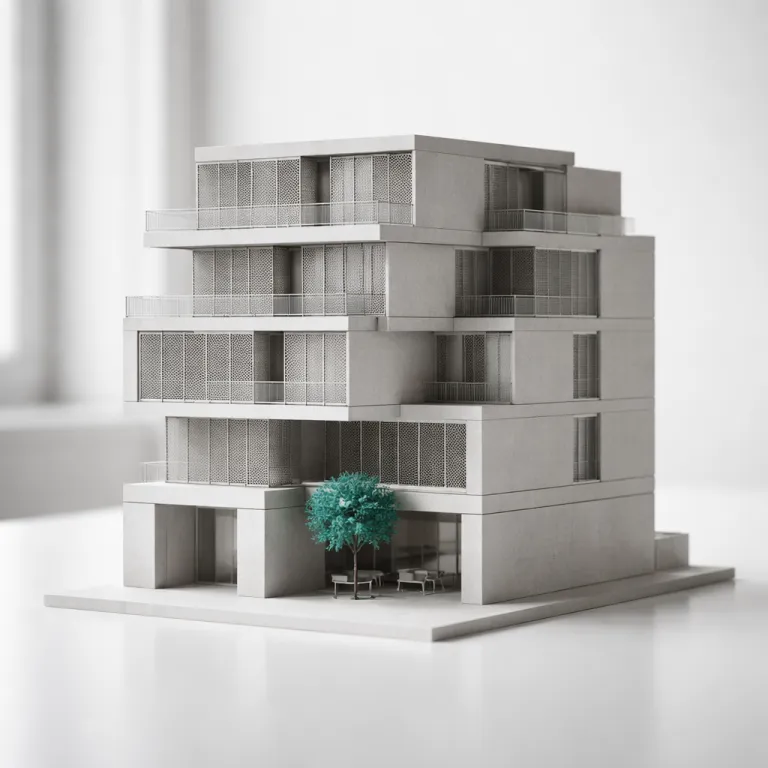
How design hotels in Austin frame the city’s changing skyline
Design minded travelers arrive in Austin expecting live music, tacos and tech energy. They often leave talking about how one hotel room framed Lady Bird Lake or how stucco walls caught the late afternoon light across the pool. If you care about architecture as much as amenities, the main content of your trip planning should start with how design driven hotels in Austin tell the story of a city in motion.
Across Austin, Texas, five leading design focused hotels anchor different narratives about the city, from Victorian house conversions to concrete modernist slabs on Congress Avenue. The official guidance that “What are the top design hotels in Austin?" and “What makes these hotels unique?" is answered clearly by experts who state that “Hotel Saint Cecilia, Hotel ZaZa Austin, The LINE Austin, ARRIVE Austin, Heywood Hotel" and “Distinct architectural styles, local artistry, and boutique experiences" define the current scene. When you check into any Austin hotel on this list, you are stepping into a curated version of Austin’s past, present and near future.
Compared with other cities in Texas and across North America, hotels Austin offers lean harder into narrative driven design and intimate scale. Dallas favors glass towers and corporate polish, while Houston often celebrates grand lobbies and oil era opulence. In Austin, the most interesting hotels and rooms use interior design, music references and courtyard planning to echo the city’s house party culture, where a simple north facing porch can feel as considered as a gallery.
Adaptive reuse and quiet drama at Hotel San Jose and Heywood Hotel
On South Congress, Hotel San Jose remains the clearest expression of early boutique hotel design in Austin, even as the street has filled with louder neighbors. The property began as a modest 1930s motor court and, after a 2000 reopening led by owner Liz Lambert and architects Lake|Flato, its low slung rooms, shaded courtyard and textured stucco walls show how a simple hotel can become a cultural landmark. When you walk the narrow paths between rooms, you read the design language of Austin before the boom, where every plant and concrete step feels intentional.
Hotel San Jose uses its courtyard and pool as an outdoor living room, with walls softened by vines and the sound of live music drifting over from nearby venues. The design here is not about spectacle but about calibrating privacy and connection, which makes it ideal for couples who want to check into Austin without feeling trapped in downtown Austin crowds. One recent guest described the experience as “like staying in a friend’s secret garden off South Congress," a line that captures how the hotel’s scale and materials shape memory as much as comfort.
Across the river in East Austin, Heywood Hotel occupies a restored Craftsman house that turns local artistry into a precise interior design statement. Opened in 2011 by owners Kathy Setzer and George Reynolds, the seven room property layers custom furniture, local art and warm wood against white walls, while carefully framed views of the city create a cohesive style that feels both Texas and quietly global. For design travelers comparing hotels Austin wide, these two properties show how adaptive reuse and small scale renovations can feel more luxurious than a new high rise hotel tower, especially when every chair, tile and light switch has been chosen with care.
Modernist lines and riverfront views at The LINE Austin and ARRIVE Austin
Where South Congress leans intimate, the riverfront and East Side bring a bolder expression of contemporary hotel architecture. The LINE Austin occupies a reimagined 1960s modernist structure that once housed the Crest Inn and later the Radisson, now transformed by designer Sean Knibb into a layered narrative of Austin, Texas, past and present. From many rooms you look directly over Lady Bird Lake, and the way the building meets the trail makes the hotel feel stitched into the city rather than perched above it.
Inside The LINE, interior design choices echo the original bones of the building, with exposed concrete, long horizontal lines and a lobby that feels like a living room for downtown Austin’s creative class. The pool terrace hovers above the lake, and at night the reflections of the city lights on the water turn even a simple check of your phone into a cinematic moment. Photographers such as Nick Simonite and Casey Dunn have repeatedly framed this hotel and its rooms in regional design magazines, and one visiting art director called the lobby “a perfect set for a film about Austin right now," which helps explain why it often appears on any serious hot list of Austin properties.
ARRIVE Austin, opened in 2019 and inspired by 1920s warehouses and local masonry, brings a different energy to the east side of the city. Here, brick, steel and carefully proportioned windows reference industrial buildings, while the ground floor blurs the line between hotel and neighborhood hangout with a lobby bar, coffee shop and restaurant open to the street. A couple checking out on a Sunday morning summed it up as “less like a hotel, more like our favorite corner of East Austin," and for travelers who want to feel embedded in Austin hotel culture rather than removed from it, ARRIVE’s street level design, courtyard like pockets and music friendly public spaces make a persuasive case.
Grand gestures and vertical statements: The Driskill, Austin Proper and beyond
Not every example of design forward hospitality in Austin is small scale or understated. The Driskill, a Romanesque Revival landmark on Congress Avenue completed in 1886 and attributed to architect Jasper N. Preston, represents the city’s taste for grand gestures and historic preservation. Step through its doors and you move from the bright Texas sun into a world of patterned floors, heavy walls and a lobby that feels like a stage for political deals and late night music stories.
In contrast, Austin Proper Hotel in the Second Street District shows how a contemporary luxury tower can still feel rooted in place. The building, designed by Handel Architects with interiors by Kelly Wearstler and opened in 2019, adds to the downtown Austin skyline, but the rooms weave in Texas textiles, sculptural lighting and a palette that flatters both daylight and the city’s neon. Many couples choose an Austin Proper room specifically for the way it photographs, from the pool deck overlooking Lady Bird Lake to the layered lobby where every chair and table seems ready for a magazine shoot, and one honeymoon review simply read, “We booked for the design and ended up rearranging our days just to stay in the room."
Across Austin, Texas, other properties such as Hotel ZaZa Austin and Hotel Saint Cecilia add theatrical and romantic notes to the mix, each with its own pool, courtyard and music inflected spaces. Hotel Saint Cecilia, opened in 2008 in a converted 1880s estate near South Congress, is known for its deep blue pool and neon “SOUL" sign, while Hotel ZaZa Austin Downtown blends bold art, themed suites and skyline views. Together with future openings like the biophilic 1 Hotel Austin tower, these hotels show how the city is shifting from low rise house conversions to vertical statements. For travelers comparing cities across North America, Austin now offers a spectrum where you can sleep in a Victorian house, a modernist slab or a glass tower, all within a short walk or ride of live music.
How to choose the right design focused Austin hotel for your stay
Choosing between these examples of architecturally distinctive Austin hotels starts with how you want to feel when you open your room door. If you crave intimacy, a house scale property like Heywood Hotel or Hotel San Jose will keep you close to the street life while still offering quiet courtyards and thick walls. If you want skyline drama, a room at Austin Proper or The LINE Austin will frame the city and Lady Bird Lake in ways that make even a short stay feel cinematic.
Location matters as much as design, especially in a city where live music, food and the river all pull in different directions. Couples who plan to spend evenings along South Congress may prefer a Hotel San Jose stay, while those focused on downtown Austin dining and business meetings might check into an Austin Proper room or a nearby Austin hotel with easy access to Congress Avenue. For travelers mixing work and leisure, the guide to moving from meeting room to rooftop bar on executive friendly Austin itineraries helps align hotel choice with your schedule.
When you read reviews, look beyond star ratings and focus on how guests describe the design, the pool areas and the way interior design supports real life. Note whether rooms feel like thoughtful spaces or just containers for beds, and whether the courtyard or house style common areas encourage you to linger. In a city where music, food and architecture all compete for attention, the right hotel becomes your private stage set, turning every return from the city into a small, perfectly framed arrival.
FAQ
What are the top design focused hotels in Austin for architecture lovers ?
For travelers prioritizing design hotels in Austin architecture, five properties consistently stand out. Hotel Saint Cecilia, Hotel ZaZa Austin, The LINE Austin, ARRIVE Austin and Heywood Hotel each offer distinct architectural styles, from Victorian house conversions to modernist riverfront slabs. All are centrally located within key Austin neighborhoods, and many guests recommend booking corner rooms or suites to make the most of natural light and city views.
How does Austin’s hotel design scene differ from other Texas cities ?
Austin hotels generally favor narrative driven design, smaller footprints and stronger ties to live music and local creative culture. Dallas leans toward glass towers and corporate luxury, while Houston often emphasizes grand lobbies and large scale developments. In Austin, Texas, many hotels integrate courtyards, pools and house like proportions that echo the city’s residential streets and informal social life, so you are more likely to find outdoor walkways, shared porches and neighborhood facing bars than enclosed atriums.
Which Austin neighborhoods are best for design minded hotel stays ?
South Congress is ideal if you want walkable access to shops, music venues and Hotel San Jose’s iconic courtyard. Downtown Austin and the Second Street District suit travelers who prefer vertical architecture, skyline views and properties like Austin Proper Hotel or The LINE Austin. East Austin appeals to guests seeking a more local feel, with ARRIVE Austin and Heywood Hotel placing you close to independent bars, cafés and galleries, and many visitors pair an East Side stay with a day exploring studios and street art.
How early should I book a design forward hotel in Austin ?
For peak periods such as major festivals, conferences or holiday weekends, you should check availability and book your preferred hotel several months in advance. Even outside those times, the most sought after rooms and suites at design focused properties often sell out first. Planning ahead also gives you a better choice of room types, from courtyard facing rooms to higher floors overlooking Lady Bird Lake, and allows time to request specific layouts or balconies if those details matter to your stay.
Are Austin’s design hotels suitable for couples seeking a romantic stay ?
Many of Austin’s leading design hotels are particularly well suited to couples, thanks to intimate room layouts, thoughtful interior design and atmospheric pools or courtyards. Properties like Hotel Saint Cecilia, Hotel San Jose and Austin Proper offer spaces that feel both private and connected to the city’s energy. When booking, look for rooms with terraces, soaking tubs or lake views to elevate the sense of occasion, and consider midweek stays if you prefer quieter common areas and easier dinner reservations.