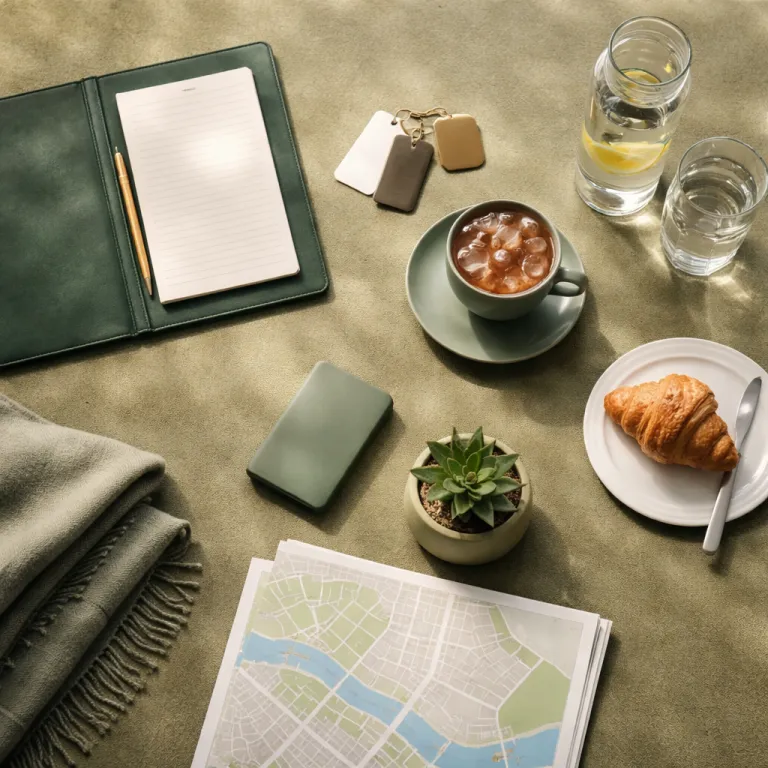
Why Austin’s luxury lobbies now rival co-working spaces
Austin has turned the hotel lobby into a serious workspace, not a decorative lounge. In a city where hospitality overlaps with tech culture, the best luxury hotels in Austin for remote work now compete directly with co-working spaces for your laptop hours. The result is a new standard for every Austin hotel that wants to attract guests who blend work and leisure.
The main question is simple yet demanding: what separates genuinely work-friendly luxury hotels in Austin from properties that just added a desk lamp to the room? Reliable Wi-Fi, plentiful power outlets, ergonomic seating, and thoughtful food and beverage options now matter as much as thread count. Hotels across Austin are redesigning their front areas so that the front desk, lobby bar, and lounge feel like one flexible workspace rather than three disconnected zones.
This shift is driven by remote workers who treat the lobby as an office, especially in downtown Austin where tech campuses sit a short walk from the river. A 2023 report from the Pew Research Center found that about 35% of U.S. workers with jobs that can be done remotely now work from home all the time, while another 41% follow a hybrid schedule, meaning well over one-third of the overall workforce spends at least part of the week away from a traditional office. Industry coverage in outlets such as Hospitality Net has tracked double-digit percentage growth in lobby and public-space usage for work since 2020, with some full-service hotels reporting 15–25% increases in daytime occupancy of communal areas. That broader trend explains why hospitality jobs and hotel jobs in Austin, Texas now often include responsibilities around guest experience for remote professionals, from the front desk agent who knows which corner is quietest to the manager who curates daytime events that do not disturb calls.
For the bleisure traveler, this evolution changes how you evaluate hotels rather than traditional office space. You are no longer just booking a room; you are choosing a daily work environment that must function from early video calls to late-night emails. When you compare luxury hotels in Austin for remote work, pay as much attention to lobby layout, guest service culture, and management philosophy as you do to spa resort facilities or Lake Austin views.
Four Seasons, Thompson Austin and Van Zandt: lobby cultures that work
Some luxury hotels in downtown Austin have embraced remote work so fully that their lobbies now feel like curated members’ clubs. The Four Seasons Austin leads this group with a riverfront lounge where power outlets hide beneath low tables and staff glide through with quiet efficiency. In a recent site inspection, a sales manager there described the lobby as “a living room for people who happen to be working,” noting that most tables have access to at least two outlets and that Wi-Fi routinely tests above 100 Mbps down and 40 Mbps up. Here, guest relations and guest service teams understand that a laptop on the table signals work, so the service rhythm adjusts to respect focus.
Thompson Austin, a bold Austin hotel in the city’s core, takes a different approach with high-energy public spaces that still function for serious work. You will find long communal tables, strong coffee, and food and beverage service that runs seamlessly from morning to late afternoon. During weekday mornings, it is common to see nearly every seat at the main worktable occupied, with guests and locals sharing roughly a dozen power points. The front desk and lobby bar operate almost as one integrated front of house, with each desk agent trained to answer practical questions about Wi-Fi, printing, and meeting rooms as confidently as they handle check-in.
Over in the Rainey Street district, Hotel Van Zandt turns its music-centric DNA into a productive backdrop for remote work. The lobby and adjacent restaurant offer varied seating, from deep sofas for informal chats to upright chairs better suited to a full-time work session. One Austin-based marketing consultant who regularly works there described the atmosphere as “busy enough that you feel part of the city, but never so loud that you cannot hear your own client.” For travelers extending business trips into leisure, this kind of flexible guest experience means you can take a call at nine, then be on the trail or at a family-friendly pool by midday, especially if you pair your stay with one of the city’s luxury hotels in Austin that families actually enjoy.
Across these properties, hospitality management has clearly studied how Austin’s co-working culture raised expectations. Staff in hospitality jobs now think like community managers, programming low-key daytime events that add energy without noise and setting informal norms around phone calls and laptop use. When you conduct your own job search for the right hotel, look for reviews that mention attentive front desk teams, responsive managers, and a consistent guest experience for remote workers, not just pretty design.
Design details that make or break a remote work stay
Not every luxury lobby in Austin, Texas is equally suited to remote work, no matter how photogenic the furniture. The difference lies in small design decisions that shape how you actually work hour after hour. When you evaluate luxury hotels in Austin for remote work, walk the space with a critical eye before you commit to a long stay.
Start at the front of house and notice how the front desk interacts with the lounge: if check-in queues spill into seating areas, your calls will compete with rolling suitcases. A well-run hotel keeps traffic contained, leaving the main lobby calm enough for focused work while still feeling alive. Ask the manager or a desk agent about Wi-Fi speeds, quiet zones, and whether any regular events might disrupt your schedule, because good management will have clear answers and, ideally, recent speed-test data or occupancy guidelines for peak hours.
Lighting and acoustics matter as much as bandwidth for a productive guest experience. Look for layered lighting that avoids glare on screens, plus enough natural light to keep energy levels up through long work sessions. In properties like Austin Proper Hotel or South Congress Hotel, design teams have created sunlit corners where you can work for several hours, then transition easily into social time or a visit to an spa hotel in Austin when the day ends.
Well-considered food and beverage service is another non-negotiable for remote workers. You want a hotel where coffee quality matches local cafés and where light dishes arrive quickly without turning your table into a full restaurant set-up. In the best hotels Austin offers, hospitality teams train staff so that guest service feels anticipatory, with servers topping up water quietly and front desk colleagues coordinating with the restaurant to keep noise from spilling into work zones. Some properties now even publish typical ticket times for lunch or offer set “workday” menus so you can plan breaks around your calendar.
From downtown to South Austin: matching neighborhoods to your work style
Choosing where to stay in Austin for remote work is as much about neighborhood energy as hotel brand. Downtown Austin suits travelers who want to step from Zoom calls straight into client dinners, live music, or quick meetings at nearby offices. Here, luxury hotels in Austin that cater to remote workers cluster around the river and the central business district, giving you short walks between your room, the lobby, and the city’s main corporate addresses.
South Austin offers a different rhythm, with properties like South Congress Hotel and The Otis Hotel leaning into creative, slightly slower-paced hospitality. These hotels attract a mixed group of guests, from touring musicians to tech founders, which can make lobby work sessions feel more relaxed yet still productive. If your work involves creative thinking rather than back-to-back calls, this side of the river might suit you better than the more formal downtown core.
For travelers who want nature between meetings, spa resort–style properties near Lake Austin or in the Hill Country provide another layer of choice. You might spend mornings on email in a quiet lounge, then reset with an Austin spa treatment or a quick swim before afternoon calls. Our guide to luxury ranch retreats within an hour of downtown highlights resorts where guest relations teams understand that your laptop is as important as your hiking boots.
Wherever you land, pay attention to how each Austin hotel handles transport and local logistics. Efficient guest service at the front desk, clear information about ride-share pick-up points, and thoughtful advice on nearby cafés or quiet parks all contribute to a smoother workday. When hotels invest in this level of hospitality, they turn the surrounding neighborhood into an extension of your office rather than a distraction.
Behind the scenes: teams, jobs and standards that support remote workers
The polished calm you feel while working in a luxury lobby in Austin rests on a complex web of hospitality jobs behind the scenes. Front desk teams, food and beverage staff, guest relations specialists, and managers all coordinate to keep noise controlled, coffee flowing, and Wi-Fi stable. As remote work becomes standard, hotel jobs increasingly include training on how to read laptop body language and adjust service accordingly.
In many hotels across Austin, management now treats the lobby as a revenue-generating co-working hub rather than a passive waiting area. That shift creates new jobs Austin residents can pursue, from lobby host roles to hybrid desk agent positions that blend concierge, barista, and light tech support. For guests, this means a smoother guest experience where one well-trained agent can help with printing, meeting room bookings, and restaurant reservations without passing you between departments.
Career paths inside an Austin hotel have also evolved as properties compete to attract remote workers and long-stay guests. Hospitality jobs now reward staff who understand both traditional service and the expectations of digital professionals, such as the need for quiet during key calls or flexible check-out times for late flights. When you see a manager walking the lobby with a tablet, checking sound levels and talking with the équipe, you are witnessing modern hospitality management in action.
For remote workers choosing between luxury hotels in Austin for remote work, these behind-the-scenes dynamics matter more than any marketing slogan. Ask how long key team members have been in their roles and whether the hotel offers full-time positions that support continuity in guest service. Properties that invest in stable teams tend to deliver more consistent guest relations, better events programming, and a lobby that feels like a reliable office every time you return.
FAQ
Do hotels in Austin charge for using their lobbies for work?
Policies vary: some offer free access, others may require purchase. In luxury properties, it is common for non-guests to be welcome as long as they order from the bar or café. Always ask the front desk or a desk agent about expectations before settling in for a long work session, and whether there are minimum spends or day-pass options during peak hours.
Are hotel lobbies in Austin suitable for virtual meetings?
Yes, many provide quiet areas and strong Wi-Fi. The best luxury hotels in downtown Austin and South Austin often have semi-enclosed corners or library-style rooms designed for calls. For highly confidential conversations, consider booking a small meeting room through guest relations or management so you can control sound and privacy more precisely.
Can non-guests use Austin hotel lobbies as remote workspaces?
Often allowed; check specific hotel policies. Some properties even design their hospitality service around day users, with food and beverage packages or day passes that include premium Wi-Fi and discounted parking. A quick call to the front desk will clarify whether the lobby welcomes outside workers and what level of guest service you can expect.
What should remote workers look for when choosing a luxury hotel in Austin?
Focus on Wi-Fi reliability, power outlet availability, and seating comfort. Pay attention to how staff talk about remote work, because a well-briefed manager or desk agent is a strong sign that the hotel takes your work seriously. Location also matters, whether you prefer the energy of downtown Austin or the calmer feel of South Austin and Lake Austin areas.
How does Austin’s co-working culture influence hotel workspaces?
The presence of established co-working hubs has raised expectations for design, technology, and community. Luxury hotels in Austin that support remote work now mirror co-working standards, with better chairs, more outlets, and thoughtful events. This competition benefits guests, who gain more sophisticated lobby work environments without sacrificing the comforts of a full-service resort.