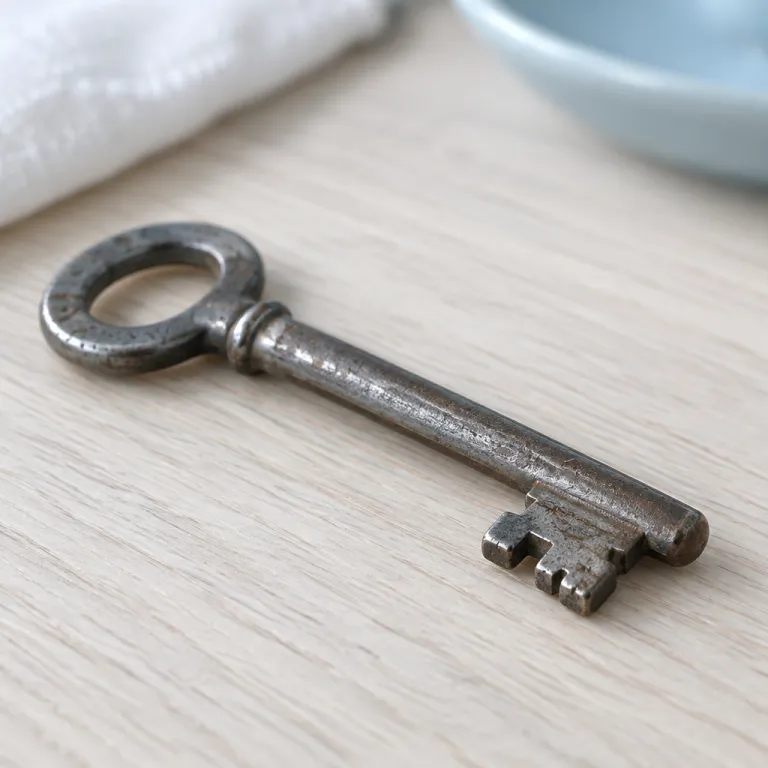
The tension inside a historic Austin room key
Unlocking a historic hotel door in Austin feels different. You are stepping into a layered story where cattle barons, legislators and touring musicians have all left quiet fingerprints on the same polished brass and worn marble. The question is whether that story still feels alive once the Wi-Fi connects and the air conditioning hums.
The Driskill Hotel in downtown Austin is the clearest test case for any historic hotel stay in the city. This landmark on Brazos Street and East 6th Street has been a downtown anchor since it first opened in 1886 as a grand Texas hotel built by cattleman Jesse Driskill, and it recently completed a two phase renovation around its 140th anniversary. Walk through the lobby today and you still read the city’s history in the mosaic floors, the Romanesque arches and the portraits of governors who once held court here.
Yet the guest rooms now carry the quiet efficiency that business leisure travelers expect from luxury hotels Austin wide. Behind the historic details and high ceilings you will find updated lighting, discreet charging points and bathrooms that finally match the expectations of an executive extending a stay in Austin Texas for a long weekend. This is the central tension of any historic property in a fast growing city like Austin, where every open lot seems destined for another glass tower.
On Congress Avenue, the Driskill stands almost eye to eye with newer neighbors on Congress Ave that promise rooftop pools and floor to ceiling windows instead of oil paintings and velvet. A heritage hotel must therefore justify itself not only with nostalgia but with a tangible sense of place that a new build on Congress or South Congress cannot easily fake. When you choose an older, character driven hotel in Austin, you are choosing to trade some standardization for provenance, and that trade only works when the renovation respects both sides of the equation.
What heritage buys you that a new tower never will
Stay a night at the Driskill Hotel or at Hotel Ella near the University of Texas campus and you feel how craftsmanship changes your sense of time. Thick walls, original staircases and carefully restored plasterwork slow your pace in a way that no minimalist lobby can quite replicate. In a city that moves quickly, that deceleration is part of the luxury.
Hotel Ella, a historic hotel built as a private mansion just off Rio Grande Street, offers a quieter counterpoint to the theatrical downtown energy. Its guest rooms open onto broad verandas and a compact courtyard pool, and the Greek Revival columns frame a very specific Austin Texas story of early twentieth century ambition and culture. Here, staying in a historic Austin hotel feels less like a museum visit and more like borrowing a well kept house from an old friend with impeccable taste.
Heritage also sharpens your connection to the city’s cultural trail. From Hotel Ella you can walk to the Blanton Museum, the Texas State Capitol and the Drag, tracing a line from early state politics to contemporary art without ever needing a car. A short ride away, Justine’s Secret House, profiled as a quiet kind of glamour, shows how Austin’s historic homes and inns can host intimate events that feel deeply rooted in place rather than staged for social media.
Even when you head south across the river, heritage shapes the mood. On South Congress, the Austin Motel and Hotel San José sit almost opposite each other, both proving that a former motor court or mid century motel can evolve into a refined base for exploring the city. Choosing a vintage Austin hotel in this corridor means waking up within walking distance of live music venues, independent shops and the Congress Avenue Bridge bat flights, all while sleeping in buildings that predate the current boom by decades.
Hidden heritage stays: from South Congress to the Hill Country edge
Not every historic hotel in Austin announces itself with a grand staircase and a marble lobby. Some of the most characterful stays hide in plain sight along South Congress, in former inns and motor courts that once served road trippers arriving from every corner of Texas. These properties now anchor a different kind of journey, one that mixes design forward comfort with a tangible sense of the road.
On South Congress, the Austin Motel remains one of the clearest examples of this shift. The classic roadside motel profile, with its neon sign and simple guest rooms, has been carefully refreshed rather than erased, so your night here still feels connected to the days when Congress Ave was a true highway. A few doors down, Hotel San José takes the bones of an old motor court and wraps them in lush landscaping and minimalist interiors, creating a quiet refuge that still nods to its San José roots.
These South Congress hotels sit at the urban edge of the Hill Country, where the city begins to soften into live oaks and limestone. Many travelers pair a few nights in a downtown or South Congress historic hotel with a short escape into the Hill Country proper, using Austin as a cultural base. For value focused guests who still want a sense of place, a property like the Rodeway Inn, described as a strategic base for exploring the city’s hidden gems, can complement a splurge night at a more storied address.
Look closely at these smaller hotels Austin wide and you will notice recurring details that signal age and authenticity. Courtyard layouts that recall early motor courts, exterior corridors that frame views of downtown, and mature trees that predate the current skyline all contribute to a subtle but powerful sense of continuity. Opting for an older Austin hotel in these pockets means accepting a little quirk in exchange for a front row seat to the city’s evolution.
How to vet a historic room before you book
Romance is one thing, reliable hot water is another. Before you commit to a historic Austin hotel, you should interrogate the practical side of the story with the same care you bring to a boardroom decision. The goal is to enjoy the patina without inheriting the plumbing problems.
Start with the basics that rarely appear in glossy photos. Ask whether the hotel built its most recent renovation around a full systems upgrade, including electrical, HVAC and soundproofing, or whether the work focused mainly on cosmetic details. In a dense downtown setting, especially around Congress Ave and East 6th Street, well insulated guest rooms can mean the difference between a restful night and an unplanned tour of Austin’s live music scene through the walls.
Bathroom size is another quiet fault line between historic and new hotels. Many early twentieth century properties, from the Driskill Hotel to Hotel Ella, were not originally designed with the spa style bathrooms that modern travelers expect, so you should check room categories carefully and read recent guest feedback with attention to layout. When a hotel openly explains which rooms are compact and which have been reconfigured, that transparency usually signals a management team that respects both heritage and comfort.
Location also shapes the experience of a historic stay in Austin. A downtown address near Congress can be ideal for business meetings and cultural access, while a South Congress or Hill Country edge property might suit a slower, more residential rhythm. For travelers who want a contemporary base with easy access to the city’s older landmarks, a property like WorldMark in downtown Austin, reviewed as offering refined suites and smart layouts, can pair well with daytime visits to the Driskill or other historic sites.
Who should choose heritage, and when new makes more sense
Not every traveler will thrive inside a creaking corridor and a portrait lined lobby. A historic Austin hotel stay tends to suit guests who value narrative, craftsmanship and a strong sense of place over absolute predictability. As one longtime front desk manager at a downtown property put it, “Our guests don’t just want a bed for the night; they want to feel like they’re borrowing a piece of Austin’s story.”
Heritage hotels in Austin Texas work especially well for business leisure travelers extending a stay into the weekend. You can spend weekdays in meetings along Congress Ave or at the Capitol, then return each evening to a lobby where the bar has seen generations of similar conversations. On Saturday, the same front desk can point you toward a Hill Country trail, a South Congress record store or a quiet courtyard where you can finally read something unrelated to work.
There are times, though, when a new build or a contemporary chain such as a Royal Sonesta or another Sonesta Hotel in the Austin Royal area will serve you better. If you need absolute blackout blinds, identical guest rooms across floors and the latest in room automation, a modern tower near downtown or the Domain may be the smarter choice. Families who require connecting rooms, large bathrooms and guaranteed quiet might also lean toward these newer hotels Austin wide, then visit historic properties for drinks or dinner instead of overnight stays.
Think of Austin’s hospitality landscape as a spectrum that runs from cattle baron opulence at the Driskill to streamlined efficiency at a contemporary Sonesta Hotel or similar address. Somewhere along that line sits the right balance of history and convenience for your particular trip. Choosing a historic hotel in Austin is less about chasing nostalgia and more about deciding how much of the city’s past you want woven into your present.
FAQ
Is a historic Austin hotel suitable for a business trip
Yes, many historic hotels in Austin have been renovated with business travelers in mind. Properties such as the Driskill Hotel and Hotel Ella offer reliable Wi-Fi, well equipped meeting spaces and guest rooms with modern work areas. The key is to confirm room type, noise levels and any recent upgrades before you book.
Are historic hotels in Austin more expensive than new ones
Rates at historic hotels Austin wide often sit in the upper mid to luxury range, especially in prime downtown or South Congress locations. However, prices can be comparable to new upscale towers on Congress Ave during busy periods. You may find better value by staying midweek or by choosing slightly smaller guest rooms within the same property.
What should I expect from the rooms in a historic hotel
Rooms in a historic hotel can vary more in size and layout than in a new build. You might find higher ceilings, original windows and distinctive architectural details alongside modern bedding and updated bathrooms. If you have specific needs, such as a large desk or a walk in shower, request those features when you reserve.
Is a historic hotels Austin heritage stay a good choice for families
Families who enjoy characterful spaces and walkable neighborhoods often appreciate historic properties, especially around downtown and South Congress. That said, connecting rooms, larger bathrooms and child friendly amenities can be more limited than in newer hotels. It is wise to speak directly with the hotel about room configurations and any family focused services.
How many nights should I plan in a historic Austin hotel
Two or three nights usually allow enough time to enjoy the property and explore nearby neighborhoods. Many travelers pair a short historic hotels Austin heritage stay with additional nights in a contemporary hotel or a Hill Country retreat. This split approach lets you experience both the city’s past and its current energy without compromising comfort.
Sources
Austin CultureMap, Austin American-Statesman, Texas Historical Commission.