Planning a trip to Austin? Discover how to choose the best downtown Austin hotel, with a quick comparison of top properties, rooftop pool options, and walking distances to the Austin Convention Center.
Why downtown Austin works so well as a base
Step out onto Congress Avenue at 08.00 and the city already feels awake. Coffee queues snake past suited tech workers, the dome of the Texas State Capitol glows at the end of the street, and you realise why a hotel in downtown Austin is such a strategic choice for a first or second visit.
This is the center of the city in the most practical sense. From a downtown hotel you can walk to Sixth Street’s music venues in under 10 minutes, reach the Lady Bird Lake trail in about 5 minutes, and be at the Austin Convention Center in a short stroll. For guests arriving via Austin-Bergstrom International Airport, the drive is usually around 15 to 25 minutes for the 7 to 9 mile (11 to 14 km) journey, so you lose very little time between landing and dropping your bags.
Business and leisure blend here. Many central Austin hotels in this core serve conference guests during the week and live-music pilgrims on weekends, which means strong year-round availability but also a need to check dates carefully when major festivals such as SXSW or Austin City Limits are in town. If you want Austin without the commute from the suburbs or from south of the river, downtown is the obvious answer.
- Best for first-timers: walkable access to the Capitol, Sixth Street, and Lady Bird Lake
- Best for business: quick routes to offices and hotels near Austin Convention Center
- Best for nightlife: short walks home from bars, clubs, and live music venues
Atmosphere by micro-neighbourhood: Congress, Sixth Street, Rainey
Two blocks can change the mood completely. A downtown Austin hotel near Congress Avenue feels different from one closer to the Rainey Street Historic District or the eastern edge of Sixth Street. Choosing the right pocket of the central area matters more than many first-time visitors expect.
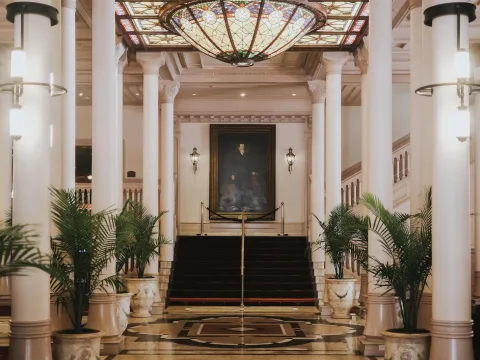
On and around Congress Avenue, the tone is civic and polished. You are close to offices, the Capitol, and the more formal side of the city, with restaurants that work as well for client dinners as for a pre-show meal before the theatre. Historic properties such as The Driskill sit within a few minutes’ walk of the Capitol, while larger convention hotels like the JW Marriott Austin anchor the business-focused end of downtown.
South and east towards the lake, near the Rainey district, the vibe softens. You are still in downtown Austin, but the streets feel more residential, with food trucks, leafy corners, and easier access to the lakeside trail and the pool decks that many newer hotels have embraced. The Kimpton Hotel Van Zandt, for example, overlooks Lady Bird Lake and sits roughly a 5- to 7-minute walk from the trail. If you prefer quieter nights, look slightly away from the noisiest stretches of East Sixth Street and check the exact street address before you book.
Quick comparison: top downtown Austin hotels
Use this snapshot to compare some of the best downtown Austin hotels for different styles and budgets:
| Hotel |
Address |
Typical price |
Key amenity |
Walk to Austin Convention Center |
| JW Marriott Austin |
110 E 2nd St |
$$$ |
Rooftop pool, large gym, valet parking |
Approx. 5 minutes |
| Fairmont Austin |
101 Red River St |
$$$ |
Resort-style rooftop pool, spa, valet |
Approx. 3–5 minutes |
| Kimpton Hotel Van Zandt |
605 Davis St |
$$$ |
Rooftop pool with lake views, bar |
Approx. 10–12 minutes |
| Hilton Austin |
500 E 4th St |
$$–$$$ |
Outdoor pool, fitness center, valet |
Approx. 2–3 minutes |
| Hampton Inn & Suites Austin-Downtown/Convention Center |
200 San Jacinto Blvd |
$$ |
Rooftop pool, breakfast included |
Approx. 3–4 minutes |
What to expect from rooms, suites and service
Inside the buildings, the offer is broader than the skyline suggests. Standard rooms in central Austin properties tend to be generous by big-city standards, often with space for a proper desk and a seating corner rather than just a chair against the wall. Suites usually add a separate living area and, in some cases, corner views over the city grid or towards the water; at the JW Marriott Austin, for instance, higher-floor suites look west towards the lake and the bridges.
Chain-affiliated properties from major groups, including those under IHG, Hilton, and Marriott, dominate the core blocks. You will see familiar flags such as a Holiday Inn-style tower, a business-focused Hilton Austin address near the convention center, or an Embassy Suites or Hampton Inn & Suites concept a few blocks back from the busiest streets. These brands bring predictable layouts and service standards, which many business travellers value more than quirk or experimentation.
Service culture in the center is generally efficient and informal. Staff are used to a mix of conference delegates, leisure guests on a Texas road trip between Austin and San Antonio, and families in town for university visits. If you care about early check in or late check out, mention it at booking stage rather than on arrival; downtown availability can tighten quickly around major events, and flexibility is easier to secure in advance. Typical nightly rates in the core can range from around $180–$250 on quieter midweek dates to $350 or more during peak festivals.
Rooftop pools, gyms and the art of staying put
On a July afternoon, the most coveted square metres in the city are not on Sixth Street but on the rooftops. Several downtown Austin hotels now treat the pool deck as a social hub, with loungers, skyline views, and bar service that stretches into the evening. For many travellers, this becomes the deciding factor between one central option and another.
Expect most full-service properties in the core to offer at least an indoor or outdoor pool and a competent gym. Some newer addresses have elevated this into a resort-like experience, with cabanas, DJ sets on weekends, and menus that lean into Texas flavours rather than generic bar snacks. The rooftop pool at the Fairmont Austin, for example, sits on a large terrace roughly 10 minutes’ walk from the heart of Sixth Street and often hosts weekend events. If you plan to spend real time on property rather than using your room purely as a base, prioritise the quality of the pool and wellness spaces over marginal differences in room size.
Not every inn-and-suites style property will have a dramatic rooftop, of course. More functional downtown hotel options, including some Hampton Inn or La Quinta Inn & Suites addresses, focus on practical comforts such as a solid breakfast, a small fitness room, and sometimes free coffee or snacks in the lobby. Decide whether you want a place to retreat and linger, or simply a clean, calm room between city explorations.
Location logistics: airport access, walking distances and getting around
From Austin airport to the central grid, the route is straightforward. You follow the highway west and, within roughly 15 to 25 minutes depending on traffic, the skyline rises ahead of you. For guests planning a wider Texas itinerary that includes San Antonio or the Hill Country, staying in downtown Austin simplifies car pick-up and drop-off while keeping you within walking distance of key sites.
Distances inside the center are compact. From a hotel on East 4th Street, you can walk to the convention center in about 3 minutes (roughly 250 m), reach the bars of Sixth Street in 5 to 7 minutes, and be on the hike-and-bike trail along the lake in under 10. Congress Avenue runs north–south as a clear spine; using it as your mental map helps you orient quickly, especially if you are arriving late after a long flight.
Parking is where trade-offs appear. Many hotels in the core rely on valet or structured garages rather than expansive surface lots, which can influence your choice if you are driving in from elsewhere in Texas. Overnight parking at larger properties can easily run $40–$60 per night. If you plan to rely on rideshares, scooters, and walking, prioritise a location that balances nightlife access with a quieter immediate street, rather than focusing on parking convenience.
How to choose the right downtown Austin hotel for you
Start with your primary reason for being in the city. If you are here for meetings at the Austin Convention Center complex, look within a 400 to 600 m radius to minimise transit time and allow quick returns between sessions. For nightlife-focused trips, a base near but not directly on Sixth Street or the busiest part of Congress Avenue gives you easy access without the heaviest late-night noise.
Brand familiarity can be a useful filter. Travellers loyal to Hilton might gravitate towards a Hilton Austin-style tower or a Homewood Suites or Embassy Suites concept, while others prefer the predictability of an IHG or Holiday Inn Express-type property. Those who like the straightforward comfort of a Hampton Inn or similar inn-and-suites style address will find several options that deliver exactly that, often with breakfast included and a relaxed, family-friendly feel.
Finally, consider the balance between on-site amenities and the city outside. If you expect to work from your room, host informal meetings in the lobby, or spend afternoons by the pool, invest in a property whose public spaces feel aligned with how you travel. If your plan is to be out from morning tacos on South Lamar to late-night sets near San Jacinto Street, you can safely choose a simpler base and focus on layout, bed quality, and the ease of your daily check in and out.
Is downtown Austin a good area to stay in for first-time visitors?
For a first stay in Austin, the downtown area is usually the most practical and balanced choice. You are within walking distance of major sites, from the Texas State Capitol to the bars of Sixth Street and the lakeside trail, and you have quick access to restaurants, music venues, and the convention center. The transfer from Austin airport is short, and you can explore much of the city core on foot, which makes it easy to get a feel for the place in just a few days.
What should I check before booking a hotel in downtown Austin?
Before you confirm a booking, check the exact street address and its distance to the places you plan to visit most, such as the convention center, Congress Avenue, or Lady Bird Lake. Look carefully at the room types on offer, especially if you need suites or connecting rooms, and verify whether the property has a pool or fitness facilities if those matter to you. It is also wise to look at the dates of major events or festivals such as SXSW, Austin City Limits, or Formula 1 race weekend, as these can affect availability, nightly rates, and the overall atmosphere in the streets around your hotel.
Are there many hotels with pools in downtown Austin?
Downtown Austin has a strong concentration of hotels with pools, including several properties that feature rooftop or elevated decks with city views. Many full-service addresses in the core offer either an outdoor pool, an indoor pool, or a combination of pool and terrace space that functions as a social hub. If swimming or sunbathing is important to you, prioritise hotels that showcase their pool area clearly in their descriptions, as more functional inns and suites may offer only a small indoor pool or none at all.
Is it easy to get from downtown Austin to other Texas cities like San Antonio?
Staying in a hotel downtown makes onward travel to other Texas cities relatively simple. Major highways connecting Austin to San Antonio and beyond are accessible within a short drive from the central grid, and car rental locations are common in and around the core. This means you can spend a few nights enjoying the restaurants and music of the city center before driving south for the next stage of your trip.
Who is downtown Austin best suited for: business travellers, couples, or families?
The downtown area works well for all three profiles, but for different reasons. Business travellers benefit from proximity to the convention center and offices, as well as the presence of familiar brands such as Hilton, IHG, and Holiday Inn-style properties. Couples often appreciate the walkability to bars, restaurants, and live music on Sixth Street and around the lake, while families value the straightforward layouts of inn-and-suites style hotels, the availability of pools, and the ease of reaching parks and riverfront paths on foot.