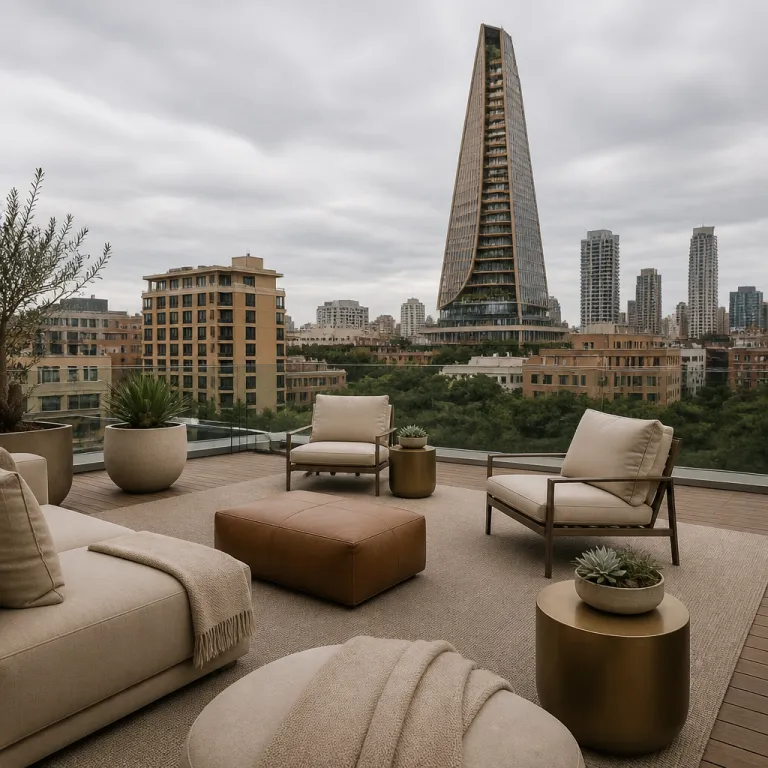
The Travis Austin and the new skyline of downtown living
The Travis Austin is a planned mixed-use apartment tower project in downtown Austin, Texas, frequently cited in local development coverage as part of the city’s next wave of high-rise residential design. Proposed public filings describe a glass-forward tower with luxury apartments, hotel-style amenities, and ground-floor retail, located within a short walk of the Colorado River (Lady Bird Lake) and the central business district. For guests browsing a premium booking website, understanding this residential landmark helps frame which downtown Austin hotels feel closest in spirit to the Travis Austin lifestyle.
This new tower concept sits in dialogue with other high-rise developments that push toward the Austin tallest category, reshaping what the downtown skyline means for visitors who care about height and view. When you book a luxury hotel near the Travis Austin site, you are effectively buying into the same obsession with vertical living, city panoramas, and neighborhood character that defines the apartment tower itself. That proximity matters if you value a sense of place as much as thread count and concierge service, because the surrounding streets read as a coherent residential neighborhood rather than a generic business district.
Many premium hotels now highlight their own tower floors and residential-style suites to echo the Travis Austin apartment experience. You will see language about elevated living, long-stay apartments, and private property style amenities that mirror the residential tower’s promise of refined urban living. For travelers, this alignment between hotel and apartment tower design makes it easier to compare options on a single luxury booking platform, especially when the main content clearly explains which properties share similar height, layout, and skyline view corridors.
How a residential tower shapes hotel expectations
Because the Travis Austin is planned in the heart of downtown Austin, it raises the bar for what guests expect from nearby hotels and serviced apartments. Travelers now look for the same clean lines, floor-to-ceiling glass, and curated interior design that define the tower’s residential units and shared spaces. When a hotel does not match that level of contemporary design, it can feel out of step with the neighborhood’s new identity as a vertical living district.
On a well-built booking website, the main content should make this connection explicit for users comparing properties. Instead of forcing guests to skip main descriptions and dig through fine print or secondary tabs, the site should clearly state which hotels are located in the Travis Austin corridor, share a similar height profile, or offer comparable downtown Austin views. This transparency helps you understand whether a property truly belongs to the same design-forward residential ecosystem or simply borrows the language of tower living.
For luxury travelers, the result is a more architectural way of choosing where to stay in Austin. You are no longer just picking a room; you are choosing a vertical address that either aligns with the Travis Austin apartment tower aesthetic or deliberately contrasts it with a more historic or low-rise feel. That choice becomes part of the story you tell yourself about your trip, from the moment you step into the lobby to the first time you pull back the curtains and take in the city view.
Downtown Austin, Red River, and the rise of vertical neighborhoods
Downtown Austin has shifted from a low-slung music district into a layered neighborhood of towers, apartments, and hotels clustered around the river. The Travis Austin sits within this transformation, where every new apartment tower or hotel project competes for the best water views and skyline angles. For travelers, this means your choice of property is also a choice of vertical neighborhood identity, not just a decision about rate and brand.
Along Red River Street, luxury hotels now share the block with residential towers that echo the Travis Austin design language and height. You might stay in a high-floor suite while residents in nearby apartments enjoy similar city views, creating a blended community of short-term guests and long-term living. This mix gives downtown Austin a lived-in feel that many travelers prefer over isolated resort-style properties that sit far from the river and nightlife.
When you compare hotels near the Travis Austin, pay attention to how each property describes its relationship to Red River and the riverfront. Some highlight direct access to the hike-and-bike trails along the water, while others emphasize nightlife and concert venues within a few hundred metres of the lobby doors. Both approaches can work, but the best luxury stays balance quiet residential comfort with the energy of a true downtown neighborhood, using thoughtful tower design and soundproofing to manage the transition from street to suite.
Choosing between Rainey Street and the Travis Austin corridor
Rainey Street, a short walk of roughly 10–15 minutes from the Travis Austin area depending on your exact starting point, offers a different flavor of downtown living. Hotels there lean into bungalow bars, food trucks, and late-night patios, while the Travis Austin corridor feels more like a polished residential district of towers and apartments. Your ideal stay depends on whether you want nightlife at your doorstep or a calmer, design-driven base with a stronger residential character.
For a deeper look at how Rainey’s new towers and older houses coexist, read this guide on Rainey Street for hotel guests. Comparing that area with the Travis Austin neighborhood helps you decide which side of downtown Austin best matches your travel style and tolerance for late-night noise. Both zones share a focus on height, river proximity, and mixed residential property, but the street-level experience feels very different once the sun goes down.
Whichever neighborhood you choose, use your booking website filters to highlight hotels that mirror the Travis Austin apartment tower standards. Look for clear references to residential-style living, tower floors with expansive views, and thoughtful design that respects the surrounding city fabric. Those cues signal a property that understands the new downtown Austin guest, who expects both luxury and a sense of belonging in the neighborhood.
Riverside luxury: hotels and apartments along the Colorado River
The Colorado River, often called Lady Bird Lake within the city, anchors many of Austin’s most desirable properties. The Travis Austin concept leans heavily on this river adjacency, using height and glass to frame water and city views in multiple directions. Luxury hotels nearby follow the same playbook, turning river-facing rooms into their most coveted inventory and charging premium rates for upper floors with unobstructed skyline vistas.
When you browse a premium booking website, filter for properties located within easy walking distance of the river trails, typically under 800 metres from the shoreline. Hotels that share the Travis Austin neighborhood or sit just downstream often market themselves as extensions of riverside living, even if they are technically a few blocks inland. This framing matters because it shapes how you will move between your hotel, the river, and downtown Austin’s cultural venues on foot or by bike.
Some travelers prefer a pure residential feel, choosing serviced apartments or extended-stay properties that echo the Travis Austin apartment tower model with kitchens, laundry, and separate living rooms. Others want full-service hotels with river-view pools, destination restaurants, and concierge teams who know every bend of the trail. Both options can deliver luxury, but they serve different rhythms of city living and different expectations about how much time you will actually spend in your room.
How local food culture shapes riverside stays
Staying near the Travis Austin area also places you close to Austin’s breakfast taco belt, where riverside cafés and food trucks open early to catch runners and commuters. Local concierges often steer guests toward polished venues, yet the most memorable meals usually happen at small counters a short walk from the river, where the line of residents signals quality. To understand this dynamic, see the piece on breakfast taco diplomacy and how it influences hotel recommendations and guest expectations.
Because the Travis Austin sits within a lived-in residential corridor, guests in nearby hotels share sidewalks with residents heading to work, runs, or taco stands. That overlap between hotel guests and apartment dwellers gives the riverfront a relaxed, authentic energy that pure resort zones often lack. If you value this kind of integrated living, prioritize properties that describe themselves as part of a residential neighborhood rather than isolated towers set back from the street.
For many visitors, the ideal itinerary pairs a river-view room with easy access to downtown Austin venues like ACL Live at Moody Theater. The venue, located at approximately 30.2653° N and 97.7472° W according to public mapping data, anchors a dense cluster of towers, hotels, and entertainment spaces within a walk of 5–10 minutes from many river-adjacent properties. Booking within walking distance of both the river and these cultural anchors lets you experience the city as residents do, moving easily between apartment towers, parks, and performance halls.
From Travis Heights to downtown towers: mapping Austin neighborhoods
Travis Heights, just south of the river, offers a leafy counterpoint to the vertical energy of the Travis Austin tower zone. Here, low-rise houses and small apartments line hilly streets, yet many luxury travelers still choose hotels that echo the comfort of residential living with generous room sizes and quiet courtyards. If you stay downtown but spend your days in Travis Heights, you will feel the contrast between historic neighborhood charm and new tower design every time you cross the bridge.
When comparing hotels on a booking website, look at how each property describes its relationship to Travis Heights, downtown Austin, and the Travis Austin corridor. Some brands emphasize quick access across the river, promising a short walk or ride of under 10 minutes between your tower hotel and the quieter residential streets. Others lean into pure downtown living, positioning themselves as urban anchors with only occasional forays into the south-side neighborhoods for dining or shopping.
The key is to decide whether you want your hotel to mirror the Travis Austin apartment tower lifestyle or to serve as a bridge between multiple neighborhoods. Travelers who enjoy varied city textures often choose a central property located near the river, then split their time between Travis Heights, downtown, and the Red River entertainment strip. This approach lets you sample different versions of Austin living without changing hotels or sacrificing access to the city’s main cultural venues.
Understanding height, view, and noise across neighborhoods
Height plays a different role in each Austin neighborhood, and the Travis Austin helps illustrate that spectrum. In the downtown core, tower living means dramatic views but also more street noise from nightlife, construction, and events. In Travis Heights, lower buildings trade skyline panoramas for tree canopy and quieter residential soundscapes, with only occasional spillover from nearby venues.
On a luxury booking website, pay attention to how properties describe their floor heights and orientation. A hotel that aspires to the Travis Austin apartment tower standard will often highlight specific floors, view corridors, and soundproofing measures such as double glazing or insulated balcony doors. Those details matter if you want the benefits of height and city view without sacrificing sleep quality during festival weekends or sold-out shows.
Guests sensitive to noise might choose a property slightly removed from the busiest downtown Austin blocks, yet still close enough to walk to the Travis Austin neighborhood and riverfront in 10–15 minutes. This compromise delivers a sense of connection to the city’s vertical project without living directly above its loudest intersections. It is a subtle but important distinction when planning a premium stay and deciding which tower or apartment-style property best matches your priorities.
Comparing Austin and Dallas: what luxury guests expect from towers
Travelers who split time between Austin and Dallas often compare how each city handles luxury tower living. Dallas has long embraced the apartment tower as a symbol of status, with residential property clustered in districts like Uptown, Victory Park, and the Arts District, where high-rise living is the norm. Austin, by contrast, is still negotiating how towers like the Travis Austin fit into a historically low-rise, music-driven city that only recently began to chase the Austin tallest rankings.
For hotel guests, this means expectations formed in Dallas do not always translate directly to downtown Austin. You might be used to a clear separation between residential towers, office towers, and hotel towers in Dallas, while Austin blends these functions more fluidly within the same blocks. The Travis Austin sits within this blend, where apartments, hotels, and offices share podium levels, parking structures, and sometimes even retail concourses.
On a booking website, properties that understand this difference will position themselves not just as isolated luxury hotels but as part of a mixed-use neighborhood. They may highlight shared amenities with nearby apartments, such as fitness centers, pools, or co-working spaces that echo the Travis Austin living model and appeal to long-stay guests. This integrated approach attracts travelers who want to feel like temporary residents rather than transient visitors passing through a generic downtown.
How tower design influences service expectations
Design choices in towers also shape what guests expect from service. A hotel that references the Travis Austin apartment tower aesthetic must back it up with residential-style touches, from in-room kitchens or kitchenettes to laundry facilities and long-stay housekeeping rhythms. Without these, the design language feels cosmetic rather than genuinely aligned with tower living and the realities of spending a week or more in the city.
Dallas travelers, accustomed to polished high-rise service, often arrive in Austin with a mental checklist of tower amenities. They look for clear wayfinding, efficient elevator systems, and thoughtful lobby design that can handle both residents and hotel guests at peak times. Properties near the Travis Austin that meet these expectations tend to earn stronger reviews on premium booking platforms, especially when guests mention smooth check-in and quick elevator rides even after major events.
When evaluating options, read guest feedback about check-in flow, elevator wait times, and how staff manage peak hours after events at venues like ACL Live. These operational details matter as much as view and height, especially in dense downtown Austin blocks where multiple towers share limited street access and ride-share zones. A well-run property turns the complexity of vertical living into a seamless experience that feels worthy of a luxury rate.
Booking strategies: using a luxury website to navigate tower living
A sophisticated booking website can help you navigate the nuances of tower living around the Travis Austin. Look for platforms where the main content clearly explains each property’s location relative to the river, downtown Austin landmarks, and key residential neighborhoods such as Travis Heights and the Red River corridor. If you have to skip main descriptions and dig through maps to find this, the site is not serving luxury travelers well or respecting how much location shapes your stay.
Strong platforms treat the Travis Austin and similar towers as reference points, using them to orient guests who care about design, height, and neighborhood character. They might group hotels by proximity to the river, by view corridors toward the Austin tallest towers, or by adjacency to residential property that offers quieter streets and apartment-style layouts. This structure turns a long list of hotels into a curated set of living styles, from pure tower experiences to hybrid residential-hotel projects.
When planning a summer stay, consult resources that explain how heat, events, and pricing intersect in downtown Austin. A detailed guide on booking Austin in July can help you balance rate, river access, and tower shade during the hottest weeks. Pair that knowledge with your understanding of the Travis Austin neighborhood to choose a property that feels both practical and indulgent, whether you prioritize pool decks, river breezes, or air-conditioned sky lobbies.
Reading between the lines of property descriptions
As you compare listings, pay attention to how often a property references apartments, residential living, or long-stay comfort. Frequent mentions usually signal a hotel that aligns with the Travis Austin apartment tower ethos, even if it is not a pure residential building. This can be a strong fit if you value space, kitchenettes, and a quieter lobby atmosphere that feels more like a city apartment building than a convention hotel.
Conversely, hotels that focus solely on nightlife, events, and rooftop bars may prioritize spectacle over everyday comfort. They might still offer impressive height and views, but the living experience can feel less grounded than in properties that share DNA with nearby apartments and mixed-use projects. Decide which balance suits your trip before you lock in a non-refundable rate, especially during busy weekends when tower elevators and public spaces are under pressure.
Finally, remember that location descriptions like "steps from the river" or "in the heart of downtown" can be elastic. Cross-check maps to see how close a property really is to the Travis Austin corridor, Red River, or the riverfront trails, and note whether it is located on a steep hill or a flat route. A few hundred extra metres can mean the difference between a serene residential feel and a block that never quite sleeps, particularly if you are sensitive to late-night noise or early-morning delivery traffic.
Key figures shaping luxury stays around the Travis Austin
- ACL Live at Moody Theater has a seated capacity of roughly 2,700 people, according to the venue’s published specifications, which illustrates how downtown Austin towers and hotels must handle intense evening foot traffic when shows sell out and guests stream back to their rooms.
- Public reporting from the Downtown Austin Alliance notes steady year-over-year growth in visitor spending around the 2nd Street District, showing how cultural events near the Travis Austin corridor can amplify demand for nearby luxury rooms and serviced apartments.
- The coordinates 30.2653° N and 97.7472° W correspond to the ACL Live address in widely used online maps, placing it within easy reach of many downtown Austin towers and riverside hotels that appeal to design-conscious travelers who prioritize walking access.
- Evening event timelines that often run from 19:00 to 22:00 mean guests return to their towers late, so properties near the Travis Austin must manage elevator capacity, lobby flow, and ride-share pickup zones during compressed peak hours.
FAQ about the Travis Austin and luxury hotel booking
How does the Travis Austin influence nearby hotel design ?
The Travis Austin sets a benchmark for contemporary tower living, with clean lines, extensive glass, and a strong focus on view and height in its apartment layouts and shared spaces. Nearby luxury hotels often echo this design language in their suites, lobbies, and amenities to appeal to guests who appreciate residential-style comfort in a downtown Austin setting. When a property highlights floor-to-ceiling windows, apartment-like layouts, and river or skyline views, it is usually aligning itself with the Travis Austin aesthetic.
Is it better to stay in downtown Austin or Travis Heights ?
Downtown Austin offers immediate access to towers, cultural venues, and the Travis Austin neighborhood, which suits travelers who want an urban, vertical experience with short walks to restaurants and shows. Travis Heights provides a quieter, more residential feel with tree-lined streets and smaller apartments, ideal for guests who value calm over nightlife and are comfortable crossing the river for evening plans. Many visitors choose a downtown hotel near the river and spend their days exploring both areas on foot or via short ride-share trips.
What is Travis County and how is it related to Austin hotels ?
Travis County is the Texas county that includes the city of Austin and its surrounding suburbs, including the downtown core and riverfront districts. Most downtown Austin hotels, including those near the Travis Austin corridor and Red River, sit within this county’s boundaries. When you see references to Travis County regulations or taxes on a booking website, they apply to these central properties and help explain final nightly costs.
Where is Travis Heights in relation to the Travis Austin corridor ?
Travis Heights lies just south of the Colorado River, while the Travis Austin tower zone is on the north side closer to downtown and the central business district. The two neighborhoods are connected by bridges that make walking or short rides straightforward for hotel guests, with typical travel times of 5–15 minutes depending on traffic and your exact starting point. This proximity allows travelers to enjoy both high-rise living and leafy residential streets during a single stay without changing hotels.
Who is Travis Scott and does he have any link to Austin hotels ?
Travis Scott is an American rapper and producer known for large-scale live shows, but he is not directly tied to specific Austin hotels or the Travis Austin project. His concerts, like those of other major artists, can increase demand for downtown rooms near venues such as ACL Live and the Moody Center. When big events are scheduled, luxury properties around the Travis Austin corridor and other downtown towers often see higher occupancy and rates, so booking early becomes more important.
Trusted references
- City of Austin official tourism and convention information
- Downtown Austin Alliance reports on development and hospitality trends
- Texas Hotel & Lodging Association guidance on regional hotel markets