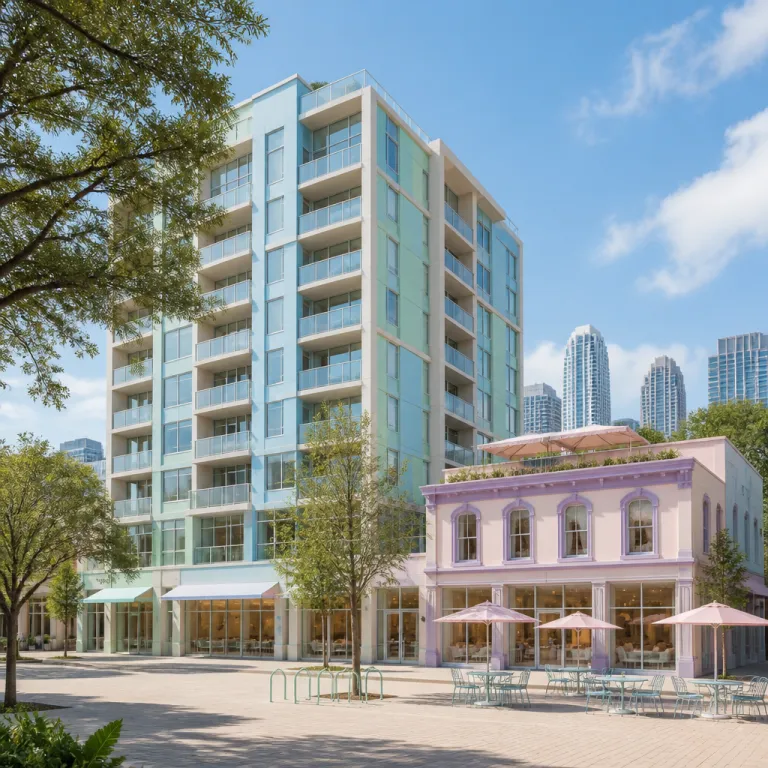
How new hotel design in Austin architecture reshapes the way you stay
New hotel design in Austin architecture is quietly rewriting the rules of a city stay. The phrase “new hotel design austin architecture 2026” captures a shift where towers, conversions, and residences blend into one seamless urban fabric. When you read the skyline from lake to downtown, you will see how hotels, residences, and restaurants now share the same vertical neighbourhood.
This evolution sits at the crossroads of Austin, Texas hospitality and serious architecture design ambition. Developers such as Method Co., LV Collective, and Elysian Real Estate Group work with architects who treat each hotel as both a place to sleep and a piece of city making, and their projects rely on mixed use concepts and adaptive reuse rather than isolated blocks. The main content of this movement is simple yet powerful, because every new hotel austin project must justify its presence in a city already rich with live music, art, and food culture.
Across downtown Austin and South Congress, you now see hotels that behave like vertical neighbourhoods rather than sealed resorts. A mixed use hotel is defined as a hotel integrated with residential and commercial spaces, and that definition has become the baseline for many of the best hotels opening across Austin, Texas. For travellers, the question is no longer only which hotel is closest to Lady Bird Lake, but which architecture design story you want to inhabit for a few nights.
Hotel Trinity and the Boheme: two visions of Austin’s architectural future
Hotel Trinity, opening with 258 rooms, a rooftop pool, and generous event space in the Sixth Street District, is the clearest expression of the “new hotel design austin architecture 2026” mindset at a cosmopolitan scale. Its architecture leans into the energy of downtown Austin, with glass, terraces, and public floors that spill toward the live music bars and the Colorado River corridor. You will feel the building designed as a social condenser, where guests, locals, and event goers share the same elevators and skyline views.
Across town, the Boheme Hotel takes the opposite route by converting an East Austin apartment building into an intimate property with around twenty rooms. This adaptive reuse approach shows how architecture design can respect existing residences while layering in hotel comforts, and it tells you a lot about where that neighbourhood is heading. What is adaptive reuse in hotels? Converting existing buildings into hotels, and in East Austin that choice signals a belief that small scale, design forward hotels can coexist with long term residents and independent art spaces.
Sixth and Blanco, meanwhile, pairs a refined hotel with private terraces, shops, and courtyards in a mixed use composition that feels almost Mediterranean in the Texas light. It becomes a template for how hotels Austin can integrate residences, retail, and restaurants without overwhelming the street, and it shows why mixed use development is more than a buzzword. For a deeper architectural lens on these shifts, you can read a dedicated guide to architectural inspiration for luxury and premium hotel booking websites in Austin, which unpacks how façades, courtyards, and public spaces shape guest experience.
Mixed use towers, residences, and the new Austin skyline
The most striking aspect of new hotel design in Austin architecture is how often you now see hotel floors stacked with branded residences and offices in a single tower. This is where the “new hotel design austin architecture 2026” conversation becomes very real for travellers, because your room might sit above long term residences, co working floors, and a destination restaurant. When done well, this mix gives you a richer lobby life, better food options, and a sense that you are part of the city rather than looking at it from behind glass.
Method Co.’s ROOST Rainey, LV Collective’s projects, and the forthcoming 1 Hotel Austin all play in this space where hotels and residences share amenities, views, and sometimes even concierge teams. The rise of these mixed use developments is not accidental, since Austin, Texas has more than fifty thousand hotel rooms citywide and nearly sixteen thousand downtown, and developers need architecture design that stands out. A hotel integrated with residential and commercial spaces can support better restaurants, more ambitious art programs, and public terraces that feel like extensions of the street.
For guests, the practical question is how these towers affect your stay compared with low rise hotels Austin once favoured along Lake Austin or near Lady Bird Lake. High rise mixed use projects often deliver the best views Lady Bird Lake has seen, but they also bring more elevator traffic and a busier lobby bar scene. If you care as much about the building as the bed, it is worth reading a focused piece on Austin design hotels worth visiting for the architecture alone, which evaluates properties through an architectural critic’s lens.
Adaptive reuse, neighbourhood signals, and where to book next
Adaptive reuse has become the quiet hero of new hotel design in Austin architecture, especially east of the interstate and along older warehouse corridors. When a former apartment block becomes the Boheme Hotel or an industrial shell turns into a refined hotel austin property, you can read that as a signal about the neighbourhood’s trajectory. Why are boutique hotels popular? They offer unique, personalized experiences, and those experiences often start with a building that already carries stories in its brick and timber.
In East Austin, adaptive reuse hotels sit near live music venues, small galleries, and food trucks, and that proximity shapes the kind of guest who books there. These projects usually favour smaller room counts, strong art programs, and restaurants that feel like local hangouts rather than generic lobby dining, and they often win a design award or at least place on regional design awards shortlists. When a property earns an architecture design award excellence citation, it is usually because architects have balanced preservation with innovation, keeping the bones of the building while opening courtyards, adding light, and framing new views toward Lady Bird Lake or the downtown skyline.
For couples planning a romantic stay, this means you can choose between the polished energy of downtown Austin towers and the textured charm of adaptive reuse hotels in emerging districts. If you want to understand how these choices play out across the city, a useful next step is to read an in depth itinerary style feature on elegant Austin getaways for refined city stays and Hill Country escapes. That piece connects specific hotels, neighbourhood walks, and restaurant reservations into a coherent weekend that respects both architecture and atmosphere.
What Austin’s hotel pipeline means for rates, design, and your experience
Austin has a pipeline of twelve new hotel openings adding nearly seventeen hundred rooms, and that volume matters for anyone planning a stay. The “new hotel design austin architecture 2026” wave is not just about pretty façades, because more keys in the market usually mean more competition on rates, packages, and loyalty perks. For guests, the smartest move is to book early due to high demand, then watch how opening offers evolve as each new property joins the scene.
Citywide, the rise of mixed use developments, historic building conversions, and design led hotels is reshaping what counts as the best hotels in Austin, Texas. Properties that invest in serious architecture design, thoughtful art, and restaurants that can stand alone in a city obsessed with food tend to age better and hold their value, and they are the ones most likely to collect regional and national awards. When you compare hotels Austin wide, pay attention to whether the building participates in the street life, frames views toward the Colorado River or Lady Bird Lake, and offers public spaces where you actually want to linger.
From a practical standpoint, the next generation of hotel austin openings will reward travellers who read beyond the marketing copy and look closely at floor plans, neighbourhood context, and the design teams involved. Ask whether the architects have a track record with mixed use towers or adaptive reuse, and whether the project includes residences or only hotel rooms, because that mix will shape everything from elevator waits to rooftop pool crowds. What is a mixed use hotel? A hotel integrated with residential and commercial spaces, and in Austin that definition is becoming the norm rather than the exception.
FAQ
What is driving the new wave of hotel design in Austin?
The latest wave of hotel design in Austin is driven by rapid urban growth, strong tourism demand, and a maturing hospitality scene that now competes with larger coastal cities. Developers and architects are using mixed use towers and adaptive reuse projects to revitalize neighbourhoods while offering more diverse accommodations. This approach supports both economic growth and a richer range of experiences for travellers who care about architecture as much as amenities.
How does a mixed use hotel affect my stay compared with a traditional property?
In a mixed use hotel, you share the building with residences, offices, or retail, which usually means livelier public spaces and better on site services. You may gain access to more restaurants, co working areas, and rooftop amenities, but you will also notice more foot traffic and a busier lobby. Travellers who enjoy an urban, social atmosphere tend to prefer these properties, while those seeking quiet may favour smaller stand alone hotels.
Why are adaptive reuse hotels becoming so common in Austin?
Adaptive reuse hotels are popular in Austin because they allow developers to preserve historic or character rich buildings while meeting demand for new rooms. Converting existing structures often anchors neighbourhood revitalization, bringing guests to areas that previously lacked high quality accommodation. This strategy also aligns with sustainability goals by reducing demolition waste and making better use of existing urban fabric.
Will the increase in new hotels lower room rates in Austin?
The addition of thousands of rooms citywide increases competition, which can moderate rate growth during non peak periods. However, Austin’s strong events calendar and steady tourism mean that high demand dates will still command premium pricing. Travellers who book early and remain flexible with dates and neighbourhoods usually secure the best value.
How can I choose between downtown Austin towers and smaller neighbourhood hotels?
Downtown towers suit travellers who want immediate access to business districts, major venues, and the densest concentration of restaurants and bars. Smaller neighbourhood hotels, especially adaptive reuse projects in East Austin or near Lady Bird Lake, appeal to guests who prioritize local character, walkable streets, and a more intimate scale. The right choice depends on whether you value skyline energy or a slower, more residential rhythm during your stay.