Why wine programs now matter in spirits first Austin
Austin has long been framed as a cocktail and agave town. In a city where mezcal lists run deeper than many wine lists, the Austin hotels wine sommelier program suddenly feels like a contrarian luxury signal that quietly separates serious properties from the pack. For couples planning a stay, that shift means your choice of hotel will now shape not only your room category but also the depth of your wine experience at dinner.
Look at the way leading properties in Austin treat wine compared with their bar programs. The best Austin hotels now hire at least one full time sommelier, often a Wine & Spirit Education Trust (WSET) trained educator who can speak fluently about both European regions and the emerging Texas hill country scene. When you see a sommelier listed on the restaurant page rather than buried in the team credits, you know the business has decided that wines deserve the same attention as cocktails and local craft beer.
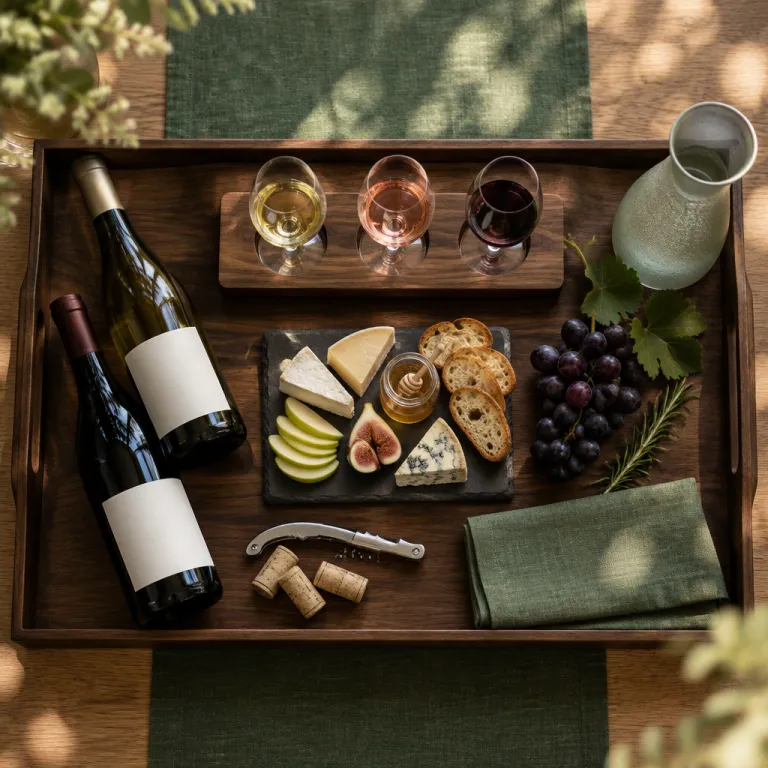
For travelers, this is not an abstract hospitality trend. A hotel that invests in a structured Austin hotels wine sommelier program will usually offer guided wine tasting events, pairing menus and a thoughtful by the glass selection that goes far beyond generic labels. That means your romantic weekend can include a curated food and wine evening without ever leaving the property, which is especially appealing if you are splitting time between downtown Austin and day trips into the hill country vineyards.
What a serious hotel wine program looks like in Austin
When you evaluate an Austin hotels wine sommelier program, start with people rather than bottles. A named sommelier or wine program manager with WSET Level 2 or WSET Level 3 credentials signals that the property treats wine as a discipline, not just an upsell. Ask by email before booking whether the sommelier is on the floor nightly, because a present wine educator will change how confidently you can navigate the list.
The second marker is structure. Strong Austin hotels build a clear ladder from introductory wine tasting flights to more ambitious pairing dinners, often hosted in a private room with a dedicated sommelier guiding each course. You should see both classic regions and Texas hill country wines represented, with at least one section that highlights producers from the broader Texas wine country rather than hiding them at the back of the list.
Storage and service matter just as much as labels. Look for references to temperature controlled cellars, Coravin systems for premium wines by the glass and stemware that matches the ambition of the list, because these details show that the hotel has invested beyond marketing language. If you are planning a lakeside escape, review the lake Austin dining experiences for luxury minded travelers described on high end hotel restaurant guidance, then apply the same criteria to any Austin property you are considering.
Texas hill country on the list: local credibility in a glass
In a city surrounded by vineyards, a credible Austin hotels wine sommelier program must engage seriously with Texas producers. The best hotel lists now feature dedicated sections for hill country wines, often grouped by sub region or style so guests can compare a hill country Tempranillo with a Rhône style blend from another part of the state. When a sommelier can talk fluently about both Napa benchmarks and a specific Texas hill country estate, you feel the local pride in every pour.
For couples flying in from out of state, this local focus turns dinner into a soft landing before a full day of tasting rooms. A strong sommelier will often suggest starting with a sparkling wine from the Texas wine country, then moving into a structured red that pairs with the hotel’s signature food and wine menu. This approach lets you sample multiple regional wines in one sitting, guided by an educator who understands how the hill country climate shapes acidity, tannin and aromatics.
Hotel restaurants in Austin have matured dramatically, and their wine lists have followed. To understand that evolution, read about how Austin’s hotel restaurants stopped being afterthoughts on this in depth look at elevated hotel dining, then pay attention to how many Texas wines appear by the glass at your chosen property. When the sommelier proudly recommends a hill country Syrah alongside a classic Burgundy, you know the program is not just checking a local box but treating Texas as a serious wine country in its own right.
Pairing dinners as a bookable hotel experience
For many luxury travelers, the most memorable Austin hotels wine sommelier program moments happen during pairing dinners. These evenings turn the hotel restaurant into a temporary wine academy, where a sommelier or WSET trained educator walks guests through each course and explains why specific wines were chosen. Couples who enjoy structured experiences will appreciate how these dinners remove decision fatigue while still feeling intimate and tailored.
When you scan hotel websites, look for language about seasonal tasting menus, chef collaborations and limited seat wine tasting events hosted by a named sommelier. Properties that treat these dinners as signature experiences often partner with Texas hill country wineries or even San Antonio based producers, creating a narrative that stretches beyond Austin city limits. Booking one of these evenings effectively adds a mini wine country tour to your stay without the logistics of driving into the hill country after a long flight.
Some hotels go further by integrating wellness or spa elements into their wine experiences. If you are planning a longer trip that combines vineyard visits with relaxation, review how Canyon Ranch is building the largest spa in Texas one hour from Austin in this detailed piece on major new spa developments near Austin, then consider how a strong wine program might complement that kind of restorative itinerary. A thoughtful Austin hotels wine sommelier program will balance indulgence with pacing, suggesting lighter wines earlier in the evening and reserving richer bottles for nights when you are not driving out to the hill country the next morning.
How to work with the sommelier like a regular
Once you have chosen a property with a serious Austin hotels wine sommelier program, the next step is using that expertise well. Start by being transparent about your budget and preferences, because a good sommelier or wine manager will respect clear parameters and steer you toward value rather than prestige labels. Mention any previous wine tasting experiences you have enjoyed, whether in Napa, the Texas hill country or even urban tasting rooms in San Antonio, so the educator can calibrate recommendations.
Think of the wine list as a map rather than a test. Ask the sommelier to highlight one familiar region, one Texas producer and one wildcard wine that pairs with your chosen dishes, then decide together whether to order by the glass or commit to a bottle. This approach turns the interaction into a collaborative experience, where you remain in control while still benefiting from the sommelier’s training, WSET Level studies and daily contact with the cellar.
Do not hesitate to ask practical questions about storage, vintages and serving temperatures. A confident sommelier will explain how the hotel manages its wines, from cellar conditions to glassware choices, and may even offer a quick tour of the wine room if service allows. When you treat the sommelier as a partner rather than a gatekeeper, your Austin stay gains an extra layer of hospitality that extends far beyond the dining room.
Education, credentials and how to read between the lines
Behind every strong Austin hotels wine sommelier program sits a web of education and professional networks. Many hotel wine managers in Austin and across Texas have completed at least one WSET Level qualification through a regional wine school or wine academy, often balancing study with demanding service roles. When you see these credentials listed on a hotel website, you can assume the sommelier has passed at least one rigorous exam that tested both theory and tasting skills.
Professional affiliations also matter. A sommelier who is a member of a recognized wine educator association or hospitality business group will usually stay current with trends in both international wines and local Texas hill country producers. If you are curious, you can always send a polite email before your stay asking about the team’s training, recent awards or participation in regional food and wine festivals, which gives you a sense of how seriously the property invests in its program.
For travelers who enjoy the educational side of wine, some Austin hotels now offer short classes or themed wine tasting sessions led by their in house educator. These might cover topics such as comparing old world and new world wines, exploring Texas hill country terroir or preparing for your own future WSET Level studies. When a hotel positions its restaurant as both a dining room and a casual wine school, you gain the option to deepen your knowledge without sacrificing the relaxed pace of a romantic getaway.
Digital details, accessibility and what to check before you book
In a city saturated with hospitality options, the digital footprint of an Austin hotels wine sommelier program can help you separate marketing from substance. Start with the restaurant page and skip content that only lists generic varietals without vintages, producers or regions, because serious programs usually share at least a partial list online. Look for clear contact details so you can email the restaurant manager or sommelier directly with questions about current wines, pairing menus or special events during your dates.
Some hotel sites now integrate interactive elements where wines click through to producer notes or short videos, which can be helpful if you are planning a special occasion dinner and want to preview the list. While these tools are not essential, they show that the business treats wine as a core part of the guest experience rather than an afterthought. If the property highlights recent award recognition for its wine program, cross check that mention against regional food and wine publications or Texas hospitality associations to confirm the accolade.
Accessibility also matters for couples balancing different levels of wine knowledge. A thoughtful Austin hotels wine sommelier program will offer both entry level flights for guests new to wine and deeper cellar selections for collectors, all presented without intimidation. When the online language feels welcoming, the on site experience usually follows, giving you confidence that your stay in Austin will include both serious wines and relaxed, unpretentious service.
Key figures on hotel wine programs and Texas wine
- According to the Texas Wine and Grape Growers Association, Texas now has more than 400 wineries, with a significant concentration in the hill country region, which explains why Austin hotels increasingly feature Texas wines on their lists.
- Research from the Wine & Spirit Education Trust reports that WSET student numbers in the United States have grown by more than 20 percent over recent years, indicating a broader pool of trained sommeliers available to staff hotel programs.
- Data from Visit Austin shows that food and beverage spending accounts for roughly one third of total visitor expenditure in the city, underscoring why hotels are investing in elevated food and wine experiences.
- The Texas Hill Country Wineries association notes that the region attracts over one million wine tourists annually, a figure that supports Austin’s role as an urban gateway to nearby wine country.
- Industry surveys from organizations such as the Court of Master Sommeliers indicate that properties with a dedicated sommelier or wine manager often see higher average check values in their restaurants, reflecting the commercial impact of serious wine programs.
FAQ about Austin hotel wine and sommelier programs
How can I tell if a hotel in Austin has a serious wine program ?
Look for a named sommelier or wine manager, visible WSET or similar credentials, and a wine list that highlights both classic regions and Texas hill country producers. Serious programs usually mention temperature controlled storage, pairing menus and regular wine tasting events. If in doubt, email the restaurant directly and ask whether a sommelier is on the floor during your planned dining times.
Do Austin hotel restaurants really feature Texas hill country wines ?
Many higher end Austin hotels now dedicate sections of their lists to Texas hill country wines, often including sparkling, white and red options. These selections give travelers a way to sample regional producers before or after visiting vineyards in person. When a sommelier speaks confidently about specific Texas estates, it is a strong sign that the program takes local wine seriously.
Are pairing dinners at Austin hotels worth booking for couples ?
For couples who enjoy structured experiences, pairing dinners can be one of the most memorable parts of an Austin stay. These events usually feature multiple courses with carefully matched wines, guided by a sommelier or wine educator who explains each pairing. They are especially valuable if you want a deep dive into both international and Texas wines without leaving your hotel.
What should I budget for wine at a luxury Austin hotel ?
Pricing varies widely, but many Austin hotels with serious wine programs offer by the glass options starting at accessible levels alongside premium bottles. A reasonable approach is to set a per bottle or per glass budget and share that with the sommelier, who can then recommend the best value within your range. Remember to factor in service charges and taxes when planning your overall dining spend.
Can beginners enjoy sommelier led wine experiences in Austin hotels ?
Yes, well run Austin hotels design their wine programs to be welcoming for all knowledge levels. Sommeliers are trained to explain styles and regions in clear language, suggest approachable wines and adjust the depth of information based on your interest. Entry level flights and themed tastings are ideal starting points if you are new to wine but curious to learn more during your trip.